
CO2 capture
Analytical methods, to be endorsed by national and international entities, to measure CO2 capture on land planted in Latin American soils.
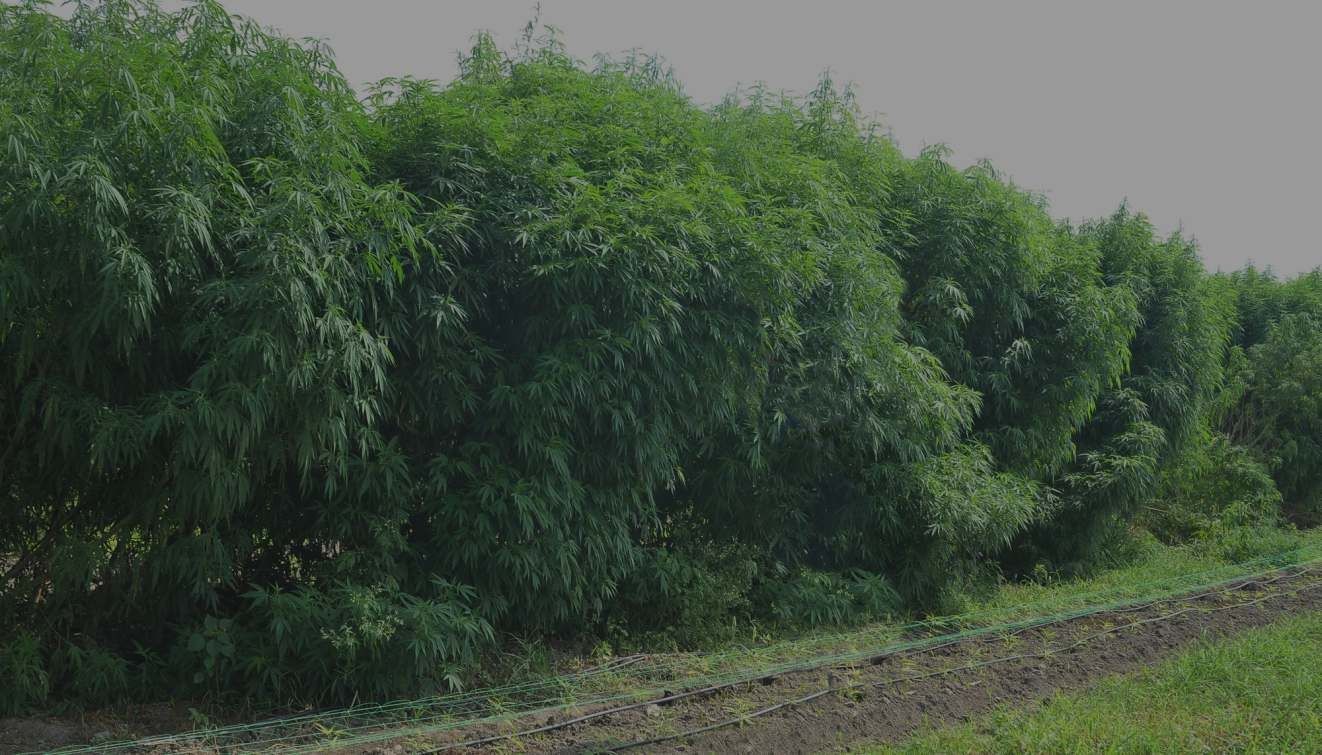
Tropical Hemp and its allied company, Tropical Cannabis SAS, created an Industrial Hemp Park to develop products and research the whole supply chain.
The park
The National Center of Excellence for Food and Industrial Hemp is part of joint work with government bodies and universities, with three common objectives:
Research priorities
Priorities are grouped by market category and market area.
Analytical methods, to be endorsed by national and international entities, to measure CO2 capture on land planted in Latin American soils.
Land regeneration through the cultivation of food and industrial hemp.
Fertility levels, green manure, planting dates, yield and biomass, weed and pest control.
A germplasm bank and plant breeding without GMOs, with varieties recommended per thermal zone.
Fiber yield and quality, drying methods, and life cycle analysis.
Antimicrobial hemp textiles for hospital use, hemp bioplastics, and protein-rich food varieties.
Hemp as a biofuel, pelletized fuel, injection-molded plastics and an industrial lubricant.
Research on nanolayer technology, 3D printing and the electrical properties of hemp.
Timeline
Licenses
National interest
Market
The USDA reported that the value of hemp production in the United States was USD 739 million in 2025, up 64 percent from 2024. Figures are in USD millions.
| Category | 2025 |
|---|---|
| Floral hemp (grown in the open) | 574 |
| Seed (grown in the open) | 49.7 |
| Fiber (grown in the open) | 13.5 |
| Grain (grown in the open) | 8.09 |
| Floral hemp (grown under protection) | 81.6 |
| Total, all hemp | 739 |
Source: USDA National Agricultural Statistics Service, National Hemp Report, April 2026. The total includes categories not listed, so it is larger than the sum of the rows.